

HISTORY AND HERITAGE
[Part of the Up-to-Date Ramsgate Guide]
The History and Heritage Guide answers a variety of questions about the history of Ramsgate and its architectural provenance. From its unique Royal Harbour to Pugin’s Gothic architecture, unlock the stories behind the stunning seaside structures that define this historic Kent landmark.
Discover more about Ramsgate’s History and Heritage through these organisations – Pugin Society and Ramsgate Society.
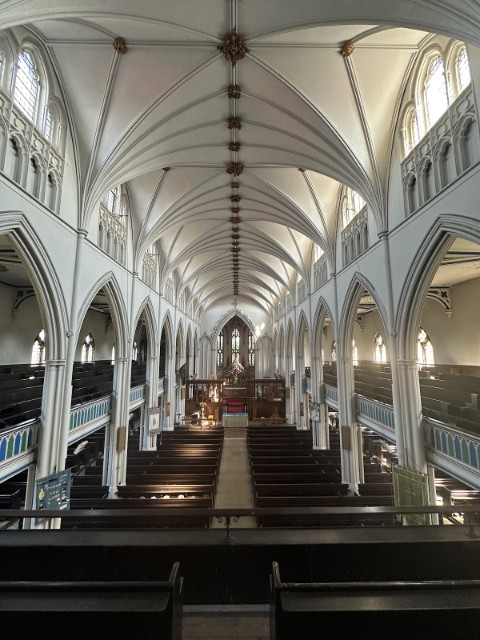
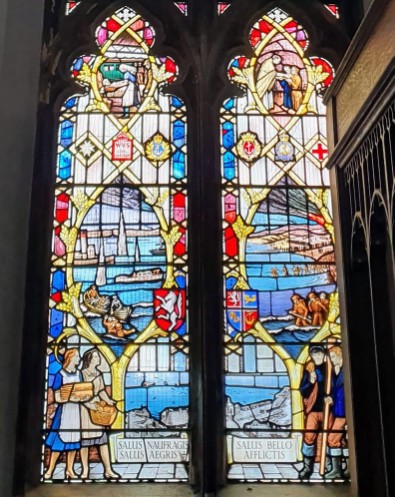
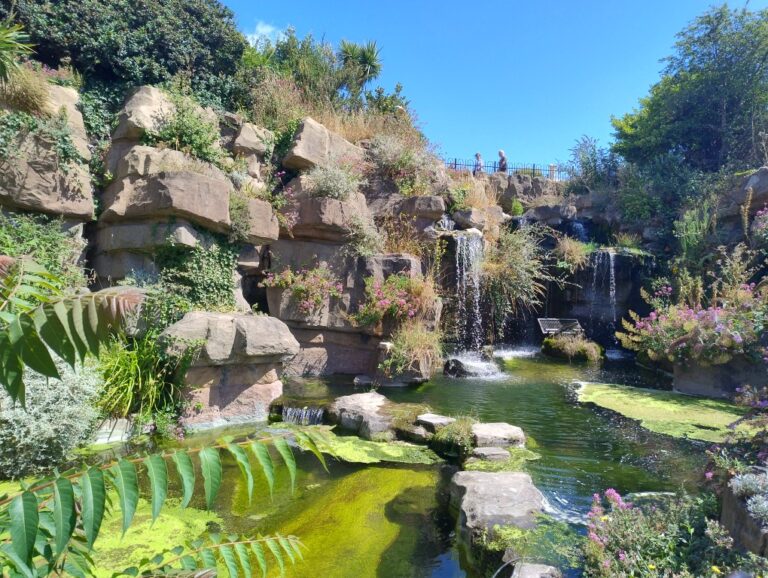
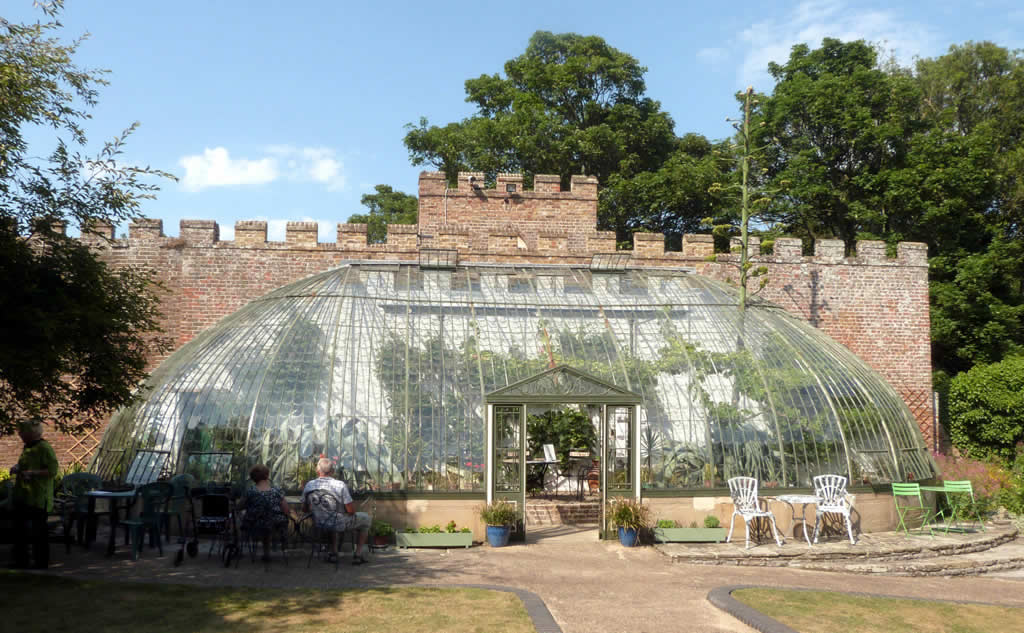
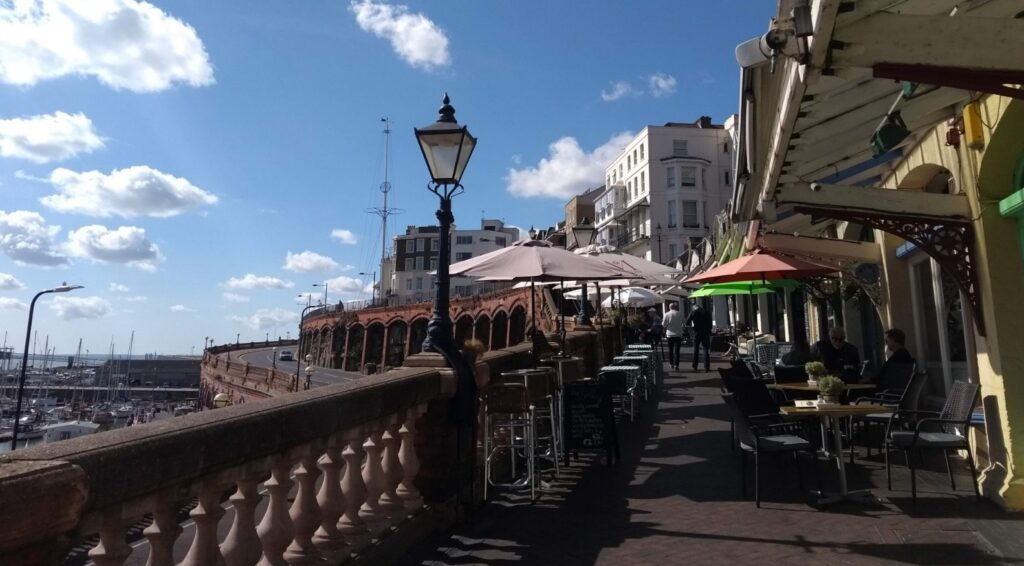
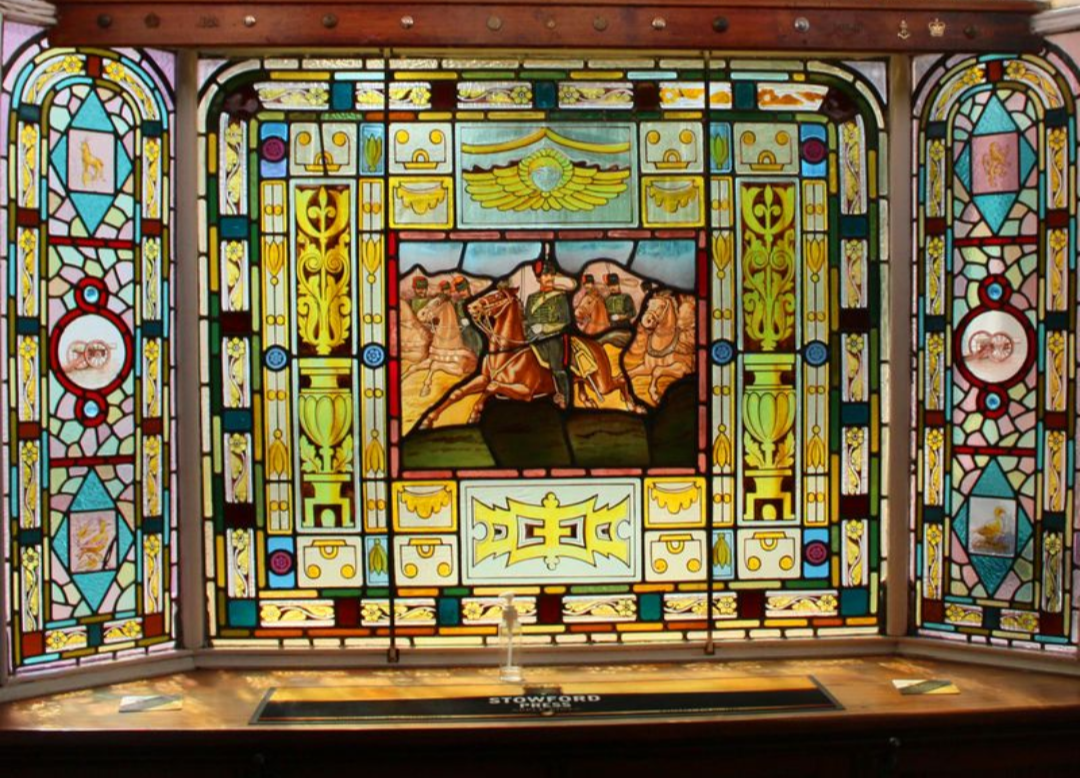
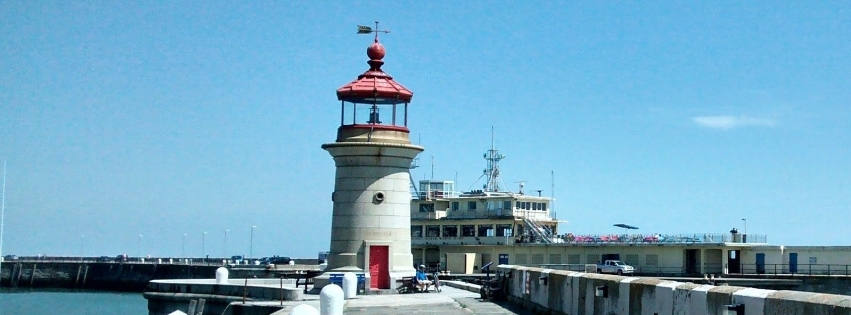
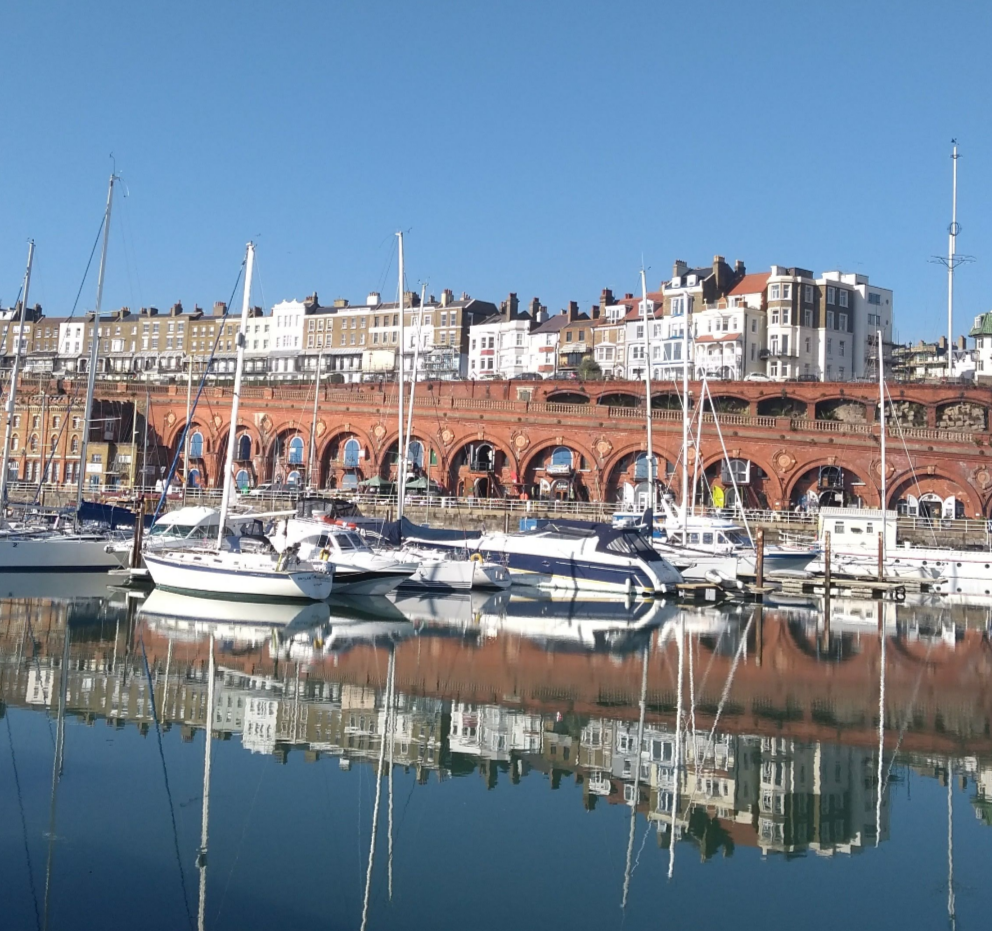
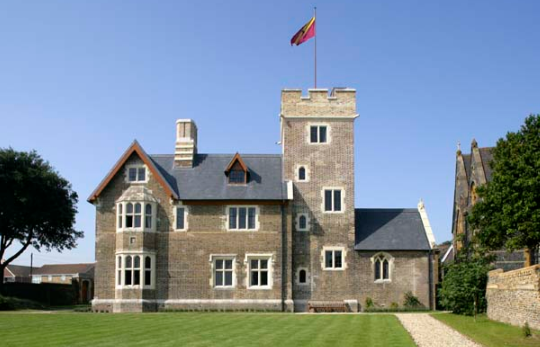
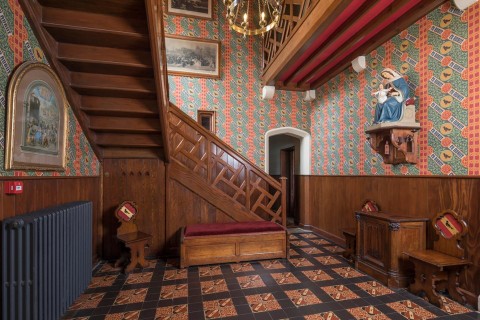
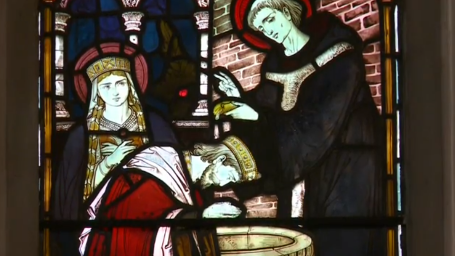
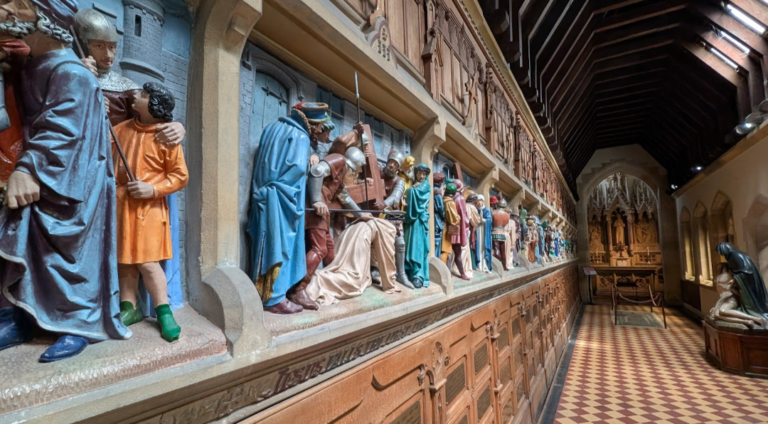
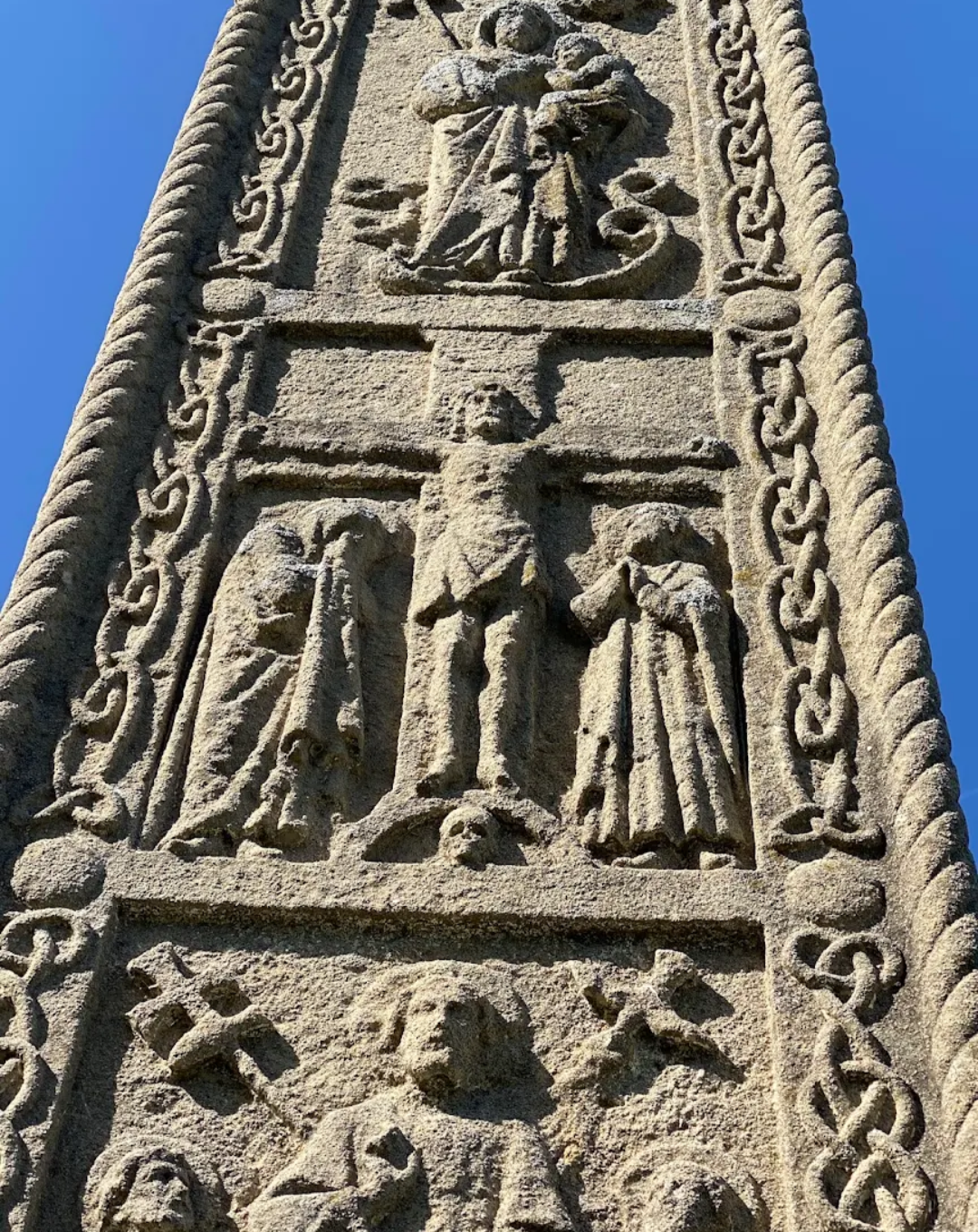
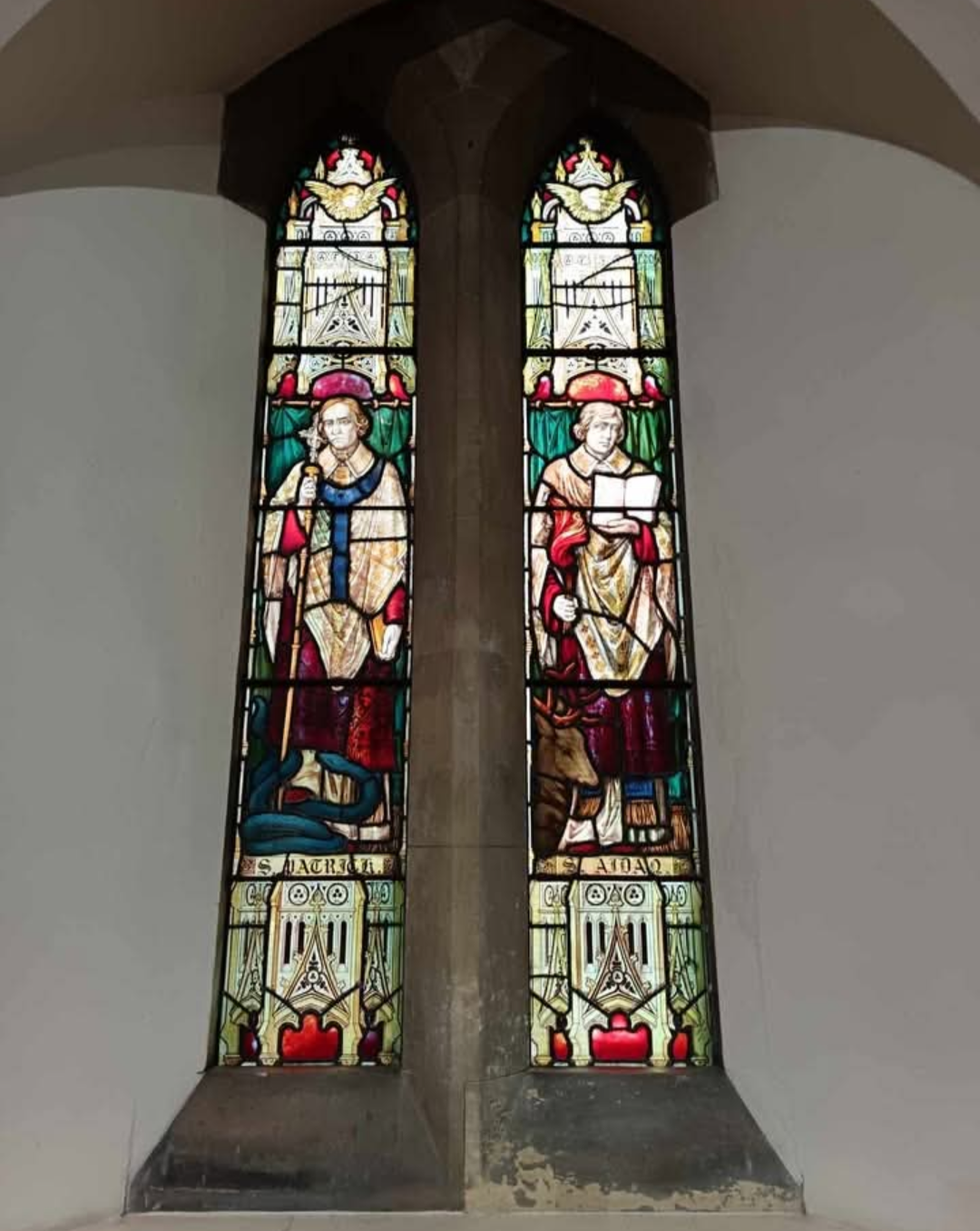
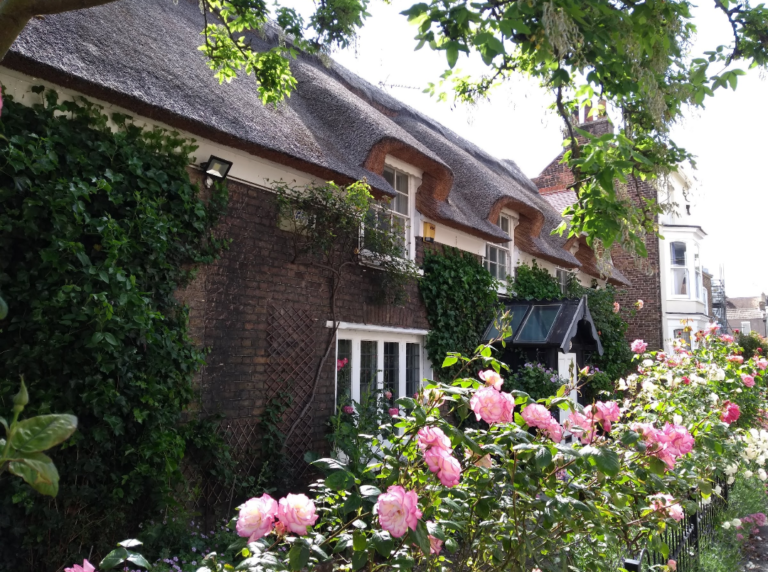
Images of some of the landmarks and features of Historical and architectural interest in Ramsgate.
Questions and Answers
- Is Ramsgate good for architecture?
- Is Ramsgate good for History lovers?
- Tell me about Ramsgate’s History?
- What is Ramsgate’s connection with Ravens?
- What were the Cinque Ports?
Is Ramsgate good for history lovers?
Ramsgate is an exceptional destination for history lovers, offering a rich tapestry of maritime, wartime, and cultural heritage. Whether you want a quick overview of the town’s fascinating past (click here) or are ready to dive straight into its premier historic attractions, Ramsgate brings history to life.
| Premier Historic Attractions | Things to Do |
|---|---|
| Ramsgate Tunnels | Explore the deepest civilian wartime air-raid shelter in the UK and discover its incredible underground secrets. |
| RAF Manston History Museum | Dive into vital military aviation history, tracking the area’s role from WWI through the Battle of Britain. |
| The Royal Harbour | Take a stroll through the UK’s only Royal Harbour, an iconic maritime landmark gifted its royal title by King George IV in 1821. |
| The Shrine of St Augustine | Visit Pugin’s magnificent personal church and burial place, dedicated to his patron St Augustine, which became, on 1st March 2012, the official shrine commemorating the coming of the Gospel to the Anglo-Saxon peoples. There are St Augustine’s Guided Tours on the first Sunday of every month (2:00pm – 3:00pm). Discover the history & beauty of AWN Pugin’s St Augustine’s Church with expert guides. Limited to 12 places, email to book ramsgate@rcaos.org.uk |
| The Grange | Tour Pugin’s self-designed, landmark family home, which along with The Shrine of St Augustine, and St Edward’s Presbytery represents a complete vision of a mid-19th-century medieval Christian community. There are guided tours of the ground floor every Wednesday afternoon (except over Christmas and the New Year). Tours are at 2:00pm and 3:00pm. |
Click here for 10 Top Historical Landmarks & Architectural Gems.
Click here for more Attractions.
Self Guided Historical Themed Walking Trails
For those who prefer to explore at their own pace, the town features several historical themed self-guided walking routes :-
| Historical Themed Trails | Things to do on the Trails |
|---|---|
| Royal Harbour Heritage Trail | Follow the trail to uncover the maritime triumphs, architecture, and engineering marvels of the historic seafront. |
| The Pulhamite Trail | Explore five Grade II listed seafront sites featuring extraordinary artificial rockwork built between the 1890s and 1930s. |
| Vincent van Gogh Trail | Walk in the footsteps of the famous artist who lived and taught in Ramsgate during 1876. |
Guided experiences
If you are visiting during July and August, do not miss the town’s popular guided costumed walks, where local guides in period dress bring Ramsgate’s vibrant history and historical characters vividly to life.
Return to questions
Tell me about Ramsgate’s History?
Click below to select a time period :-
The Beginning | 1749-1850 | 1820 | 1846 | 1901 | 1915-1917 | 1939-1945 | 1950’s 1960’s | 1970’s | Today
Return to questions
What is Ramsgate’s connection with Ravens?
Ramsgate’s connection to ravens comes from its original Anglo-Saxon name, “Hræfn’s geat,” which translates to “raven’s cliff gap” or “raven’s gate,” referring to the gap between the town’s chalk cliffs.
Over a thousand years ago, Anglo-Saxons named the coastal settlement after the ravens they spotted flying between the local cliffs and up toward what is now the High Street area.
Over the centuries, the name shifted through variants like Remmesgate and Ramisgate in the 13th century before finally becoming Ramsgate.
The famous 19th-century gothic revival architect Augustus Pugin, who lived in Ramsgate during his final years, frequently featured bird motifs (such as the fictional black martlet) in his design work at The Grange.
Return to questions
What were the Cinque Ports?
In 1483, during the reign of Richard III, Ramsgate formally became a Limb of the Cinque Port of Sandwich, joining a remarkable confederation whose roots stretch back to medieval England.
Click here for more information.
Return to questions
Is Ramsgate good for architecture?
Ramsgate is an exceptional destination for architecture. As a town rich in coastal heritage, it boasts 451 listed buildings and holds a prominent place in architectural history. It was the chosen home of Augustus Pugin, the visionary English architect who championed the 19th-century Gothic Revival and famously designed the iconic interiors of London’s Palace of Westminster.
| Attractions | Description |
|---|---|
| The Grange | Pugin’s self-designed, landmark family home that perfectly showcases his total-design philosophy. |
| St Augustine’s Church | A stunning Gothic Revival church built by Pugin, located directly adjacent to his home. There are St Augustine’s Guided Tours on the first Sunday of every month (2:00pm – 3:00pm). Discover the history & beauty of AWN Pugin’s St Augustine’s Church with expert guides. Limited to 12 places, email to book ramsgate@rcaos.org.uk |
| Townley House | An elegant townhouse designed by Mary Townley, one of England’s earliest recorded female architects. The historic fabric of the main house has been sensitively restored and reimagined into high-end modern apartments. |
| The Granville Hotel (now Granville House) | A towering landmark on the East Cliff showcasing dramatic, imposing Victorian architecture. Originally designed by Edward Welby Pugin (Augustus’s son). |
| The Italianate Glasshouse | Relocated to the former estate of philanthropist Sir Moses Montefiore in 1832, this Grade II* listed glasshouse sits in King George VI Memorial Park as a fine remaining fragment of Regency estate architecture. |
| Royal Victoria Pavilion | The striking seaside architecture was inspired by a Robert Adam orangery, while the interior was loosely derived from the Little Theatre at Versailles. Today it houses the largest Wetherspoon’s Pub in the UK and Papa’s Fish & Chips, a traditional Fish restaurant and takeaway. |
| The Harbour Arches | A brilliant masterclass in late 19th-century urban design. This long tier of red-brick arches features stone dressing and terracotta keystones stamped with the arms of Kent and Ramsgate. |
| Regency Terraces & Crescents | Spread across the West and East Cliffs, Nelson Crescent, Spencer Square, and Liverpool Lawn show off the town’s heyday as a fashionable royal resort with elegant, curving facades tailored to maximize sea views. |
Return to questions
Return to the Up-to-Date Ramsgate Guide Home Page