
Ramsgate Royal Harbour Heritage Trail
Discover 14 stories from more than 250 years of life around Ramsgate’s historic harbour.
Trail Map route includes : Custom House | Naiad Errant | Firefly | Smeaton’s Dry Dock | The Clock House & Ramsgate Meridian | Royal Parade | Home for Smack Boys | Sailor’s Church | Jacob’s Ladder | The Pilot Boats | The Lighthouse | RNLI | Havengore | HMS Watchful | Sheemaun
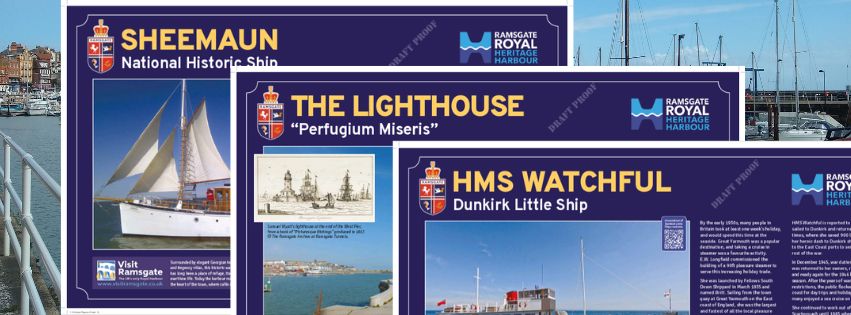
Some images from the Ramsgate Royal Harbour Heritage Trail (see Information boards below for full trail details).
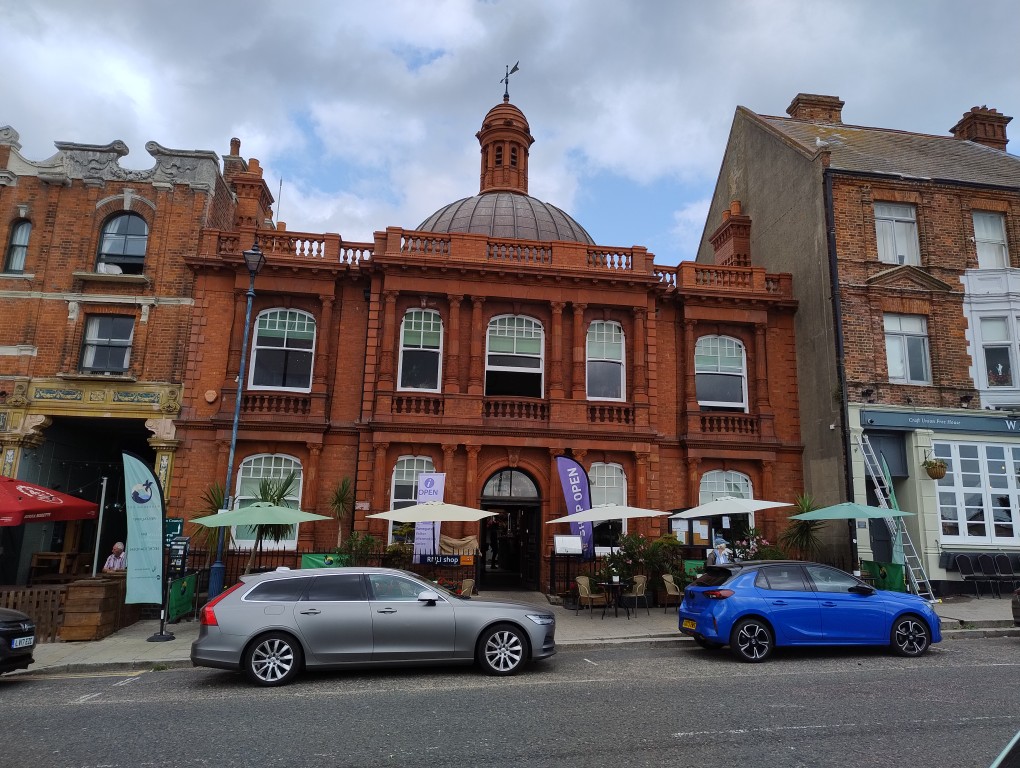
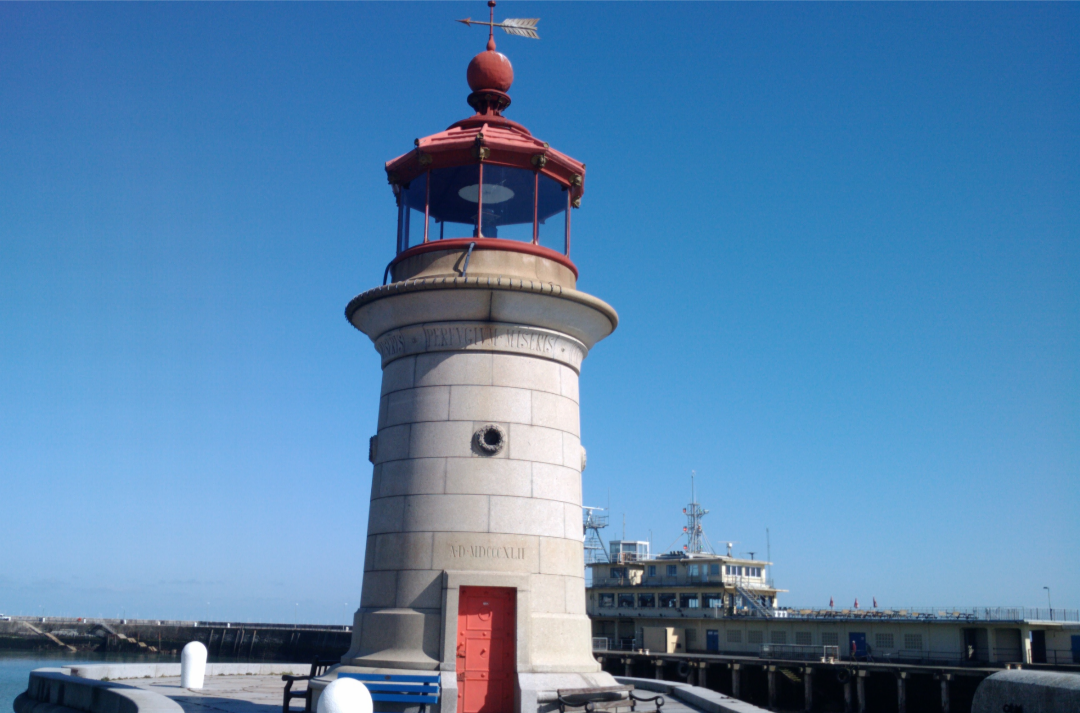
Ramsgate’s Royal Harbour is much more than a beautiful place to watch the boats go by. Its quays, piers and surrounding buildings tell stories of pioneering engineers, fishermen and Smack Boys, shipwrecked sailors, lifeboat crews, Dunkirk Little Ships and vessels that have played their own remarkable part in British maritime history.
Our new Royal Harbour Heritage Trail brings some of those stories to life through 14 information boards around the harbour.
Ramsgate Royal Harbour Heritage Trail : Information Boards
There’s no need to rush. Follow the trail, stop for coffee or lunch along the way, explore the shops and businesses around the waterfront and enjoy one of the best views in Ramsgate.
The trail is designed as an easy self-guided walk around the Royal Harbour. You can follow every board in order or dip in and out as you explore the waterfront.
Start your trail
📍 Begin at Ramsgate’s historic Custom House on Harbour Parade.
With the Custom House behind you, head towards the Inner Harbour, following the waterfront.
Your first boards introduce some of the historic vessels with strong connections to Ramsgate, including the Dunkirk Little Ships Naiad Errant and Firefly.
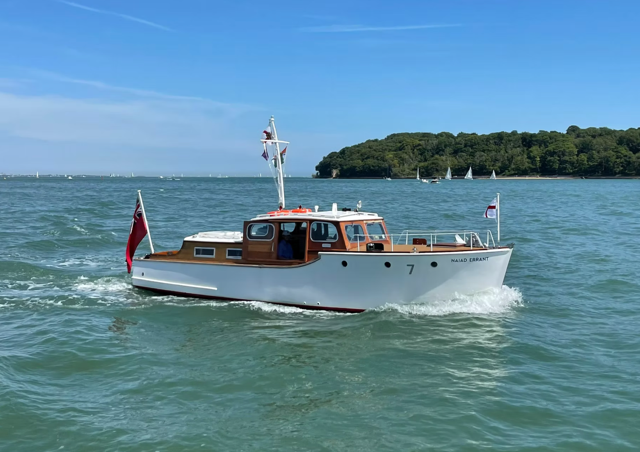
Naiad Errant
(currently Brown Owl information board which will be replaced very soon!)
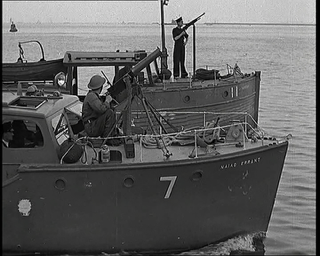
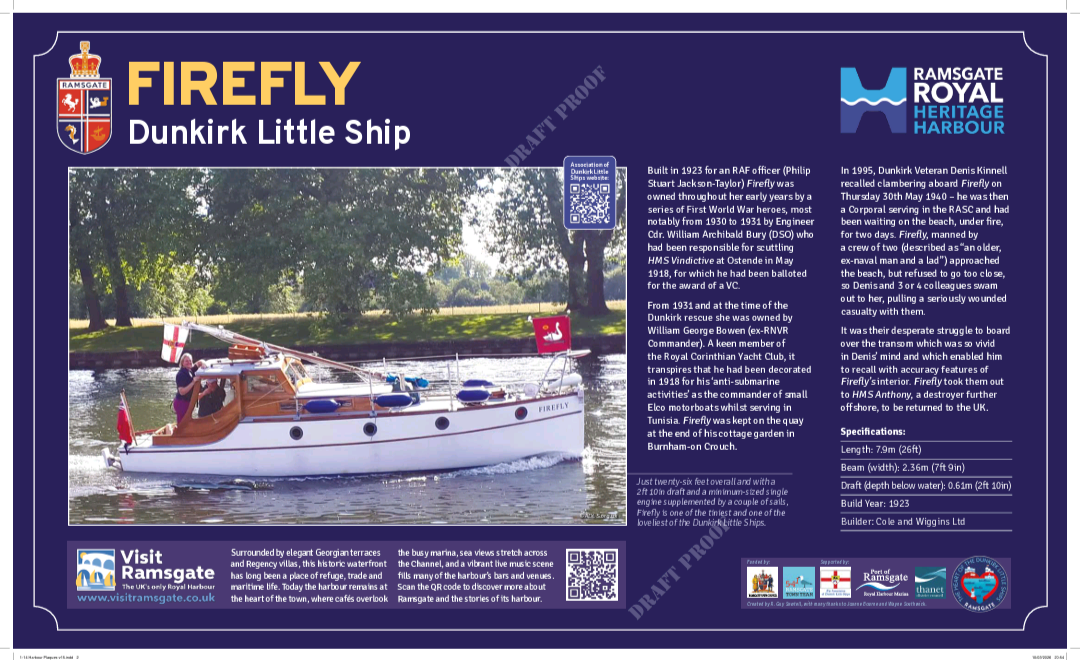
Built in 1939, Naiad Errant was requisitioned for Operation Dynamo and sailed from Ramsgate for Dunkirk on 1 June 1940. She carried out shore-to-ship work, became stranded off Dunkirk and was later refloated packed with soldiers. After engine trouble, Able Seaman Samuel Palmer eventually navigated her back across the Channel, reaching Ramsgate the following morning. She later served as an Armed Patrol Vessel.
Firefly
At just 26 feet long, Firefly is one of the smallest Dunkirk Little Ships. Her board tells the extraordinary story of Dunkirk veteran Denis Kinnell, who recalled swimming from the beach with several fellow soldiers – while helping a seriously wounded casualty – to reach her.
Into the Inner Harbour
Continue around the harbour and look for Smeaton’s Dry Dock and the Crosswall Sluice Gates.
Smeaton’s Dry Dock
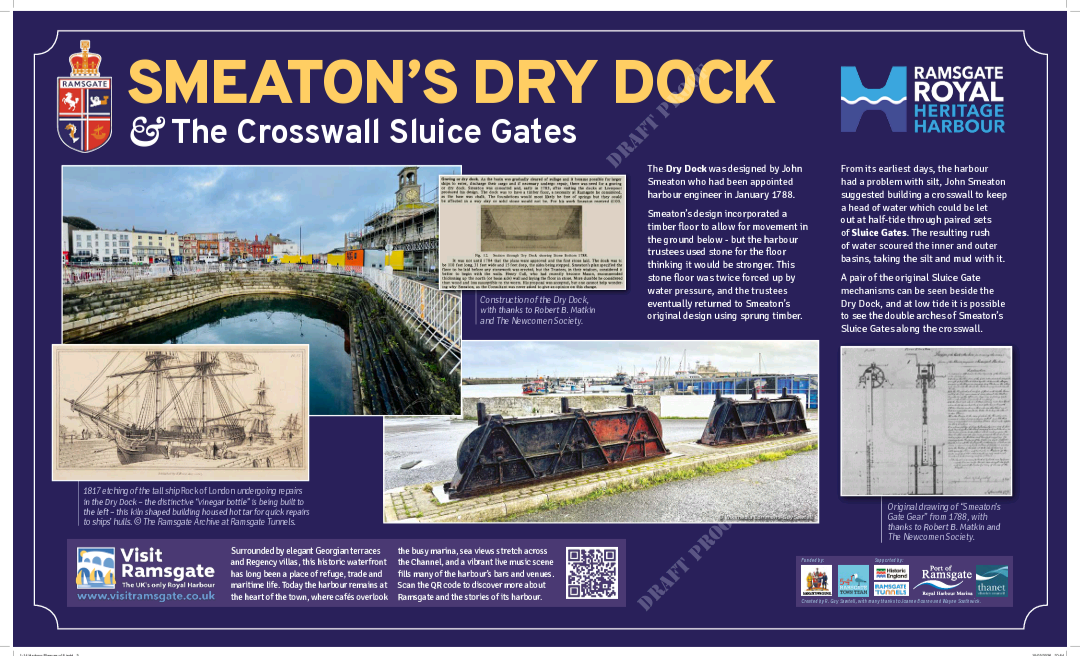
The great engineer John Smeaton was appointed harbour engineer in 1788. His ingenious system used stored water released through sluice gates to scour mud and silt from the harbour.
Look around you as you read this board – parts of the engineering it describes can still be seen today.
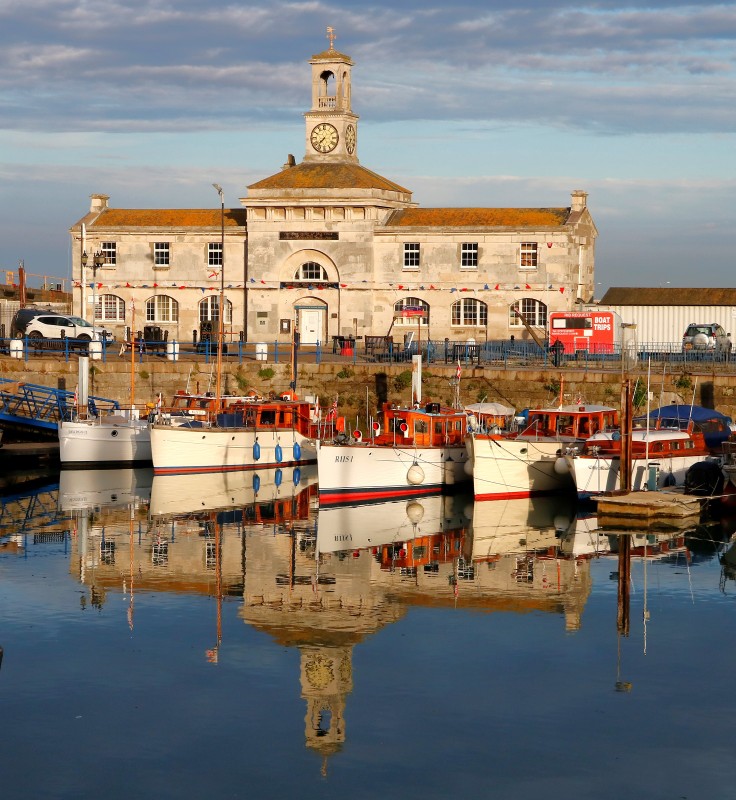
The Clock House & Ramsgate Meridian
Continue to the distinctive Clock House.
Here you’ll discover one of our favourite pieces of Ramsgate trivia:
Ramsgate once had its own time.
A brass meridian line inside the Clock House marked the Ramsgate Meridian, from which Ramsgate Mean Time was calculated – 5 minutes and 41 seconds ahead of Greenwich. It didn’t last long however and with the advent of regular trains to Ramsgate, the town had to revert to standard GMT to stop people missing their boats!
Look up!
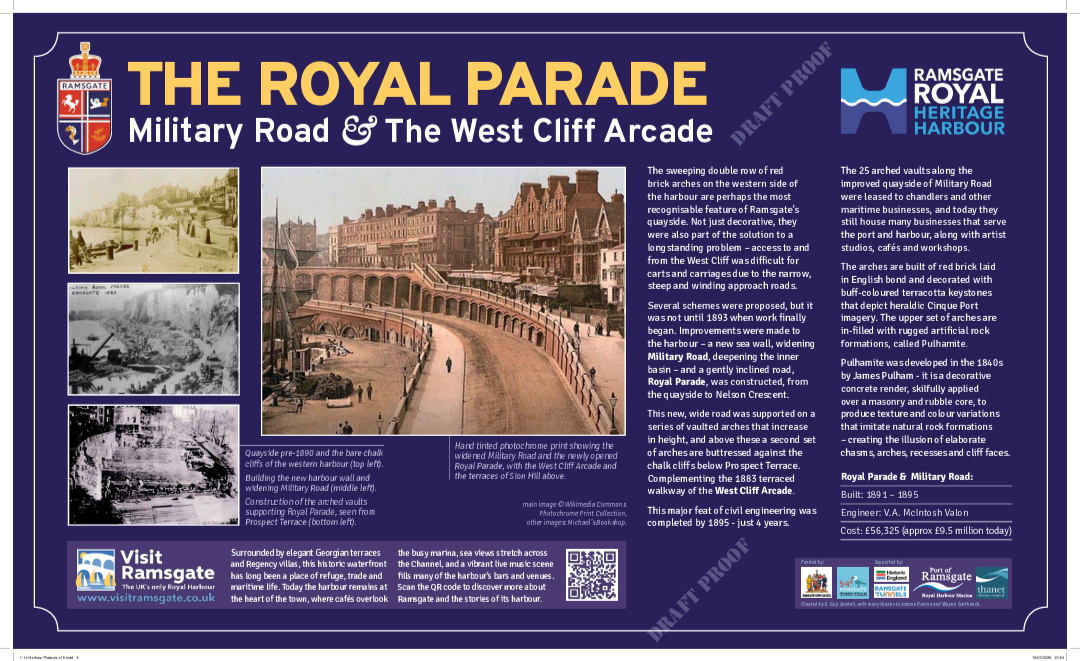
As you continue around the western side of the harbour, it’s hard to miss the great sweep of brick arches rising above you.
Royal Parade, Military Road & the West Cliff Arcade
These arches aren’t simply decorative.
Completed as part of major harbour improvements in the 1890s, they supported a new gently inclined road connecting the quayside with the West Cliff. The upper arches contain Pulhamite, an ingenious artificial rock developed to imitate natural stone. Ramsgate is unique in Britain in having a complete chronological ‘suite’ of Pulhamite rockwork, charting its development from the 1890s to the 1930s.
Today the arches remain home to maritime businesses, workshops, artists, restaurants, bars and cafés. Click here for more information.
Ramsgate’s fishing story
Continue along Military Road and you’ll encounter two buildings that tell a very different side of harbour life.
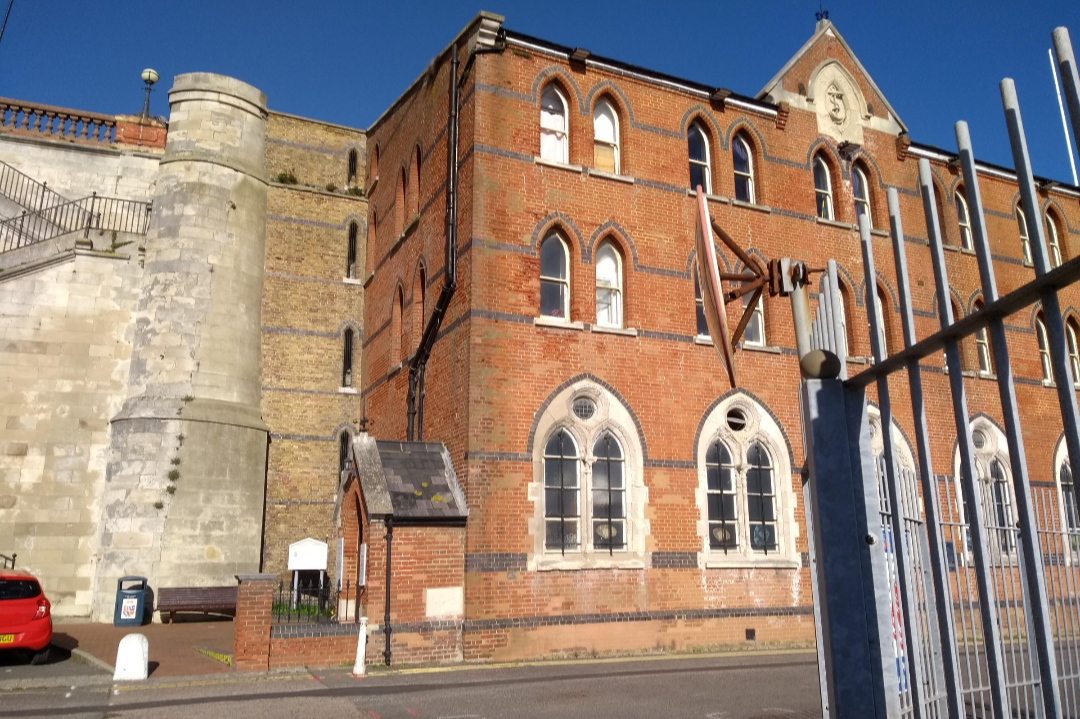
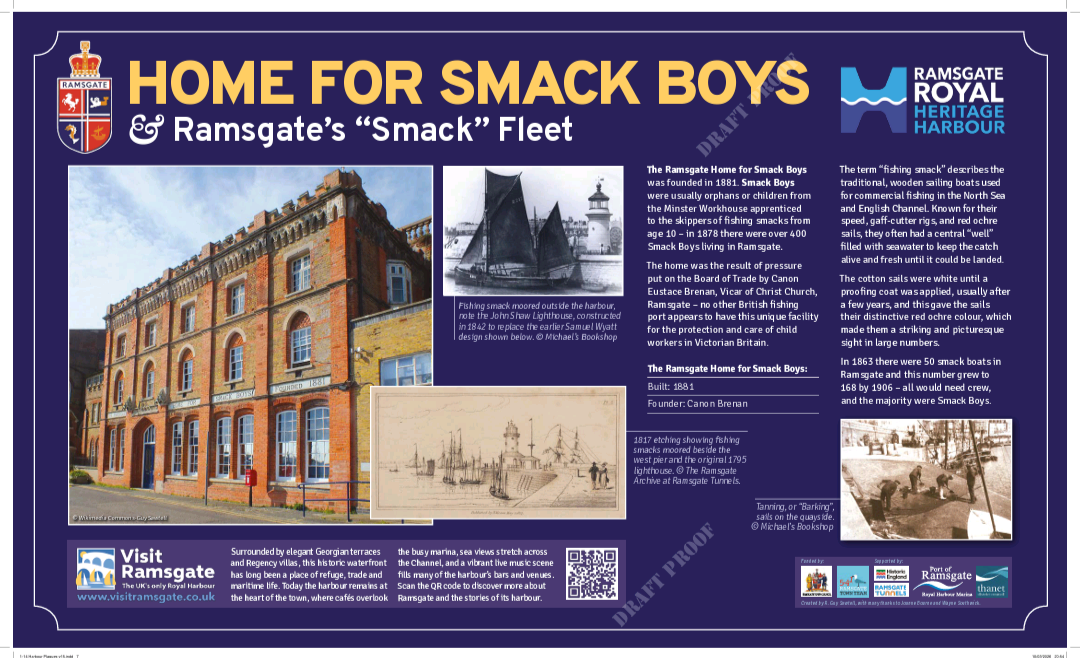
Home for Smack Boys
In Victorian Ramsgate, hundreds of boys worked aboard the town’s fishing smacks.
Many were orphans or children from the workhouse and could be apprenticed to fishing skippers from the age of just 10.
The Ramsgate Home for Smack Boys opened in 1881 to provide protection and care for these young workers.
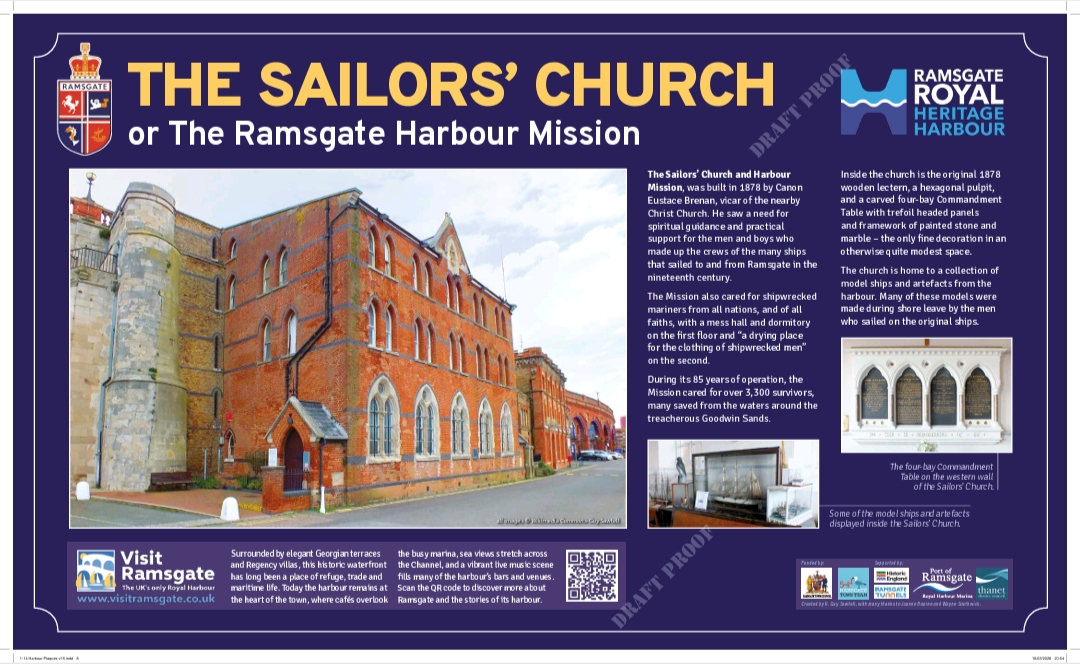
The Sailors’ Church
Nearby, the Sailors’ Church and Harbour Mission provided practical help as well as spiritual support to Ramsgate’s maritime community.
During its 85 years of operation, the Mission cared for more than 3,300 shipwreck survivors, many rescued from the treacherous waters around the Goodwin Sands.
Step inside if the church is open and look for its collection of model ships and maritime artefacts.
Jacob’s Ladder and 600 barrels of gunpowder
Continue along the harbour towards Jacob’s Ladder.
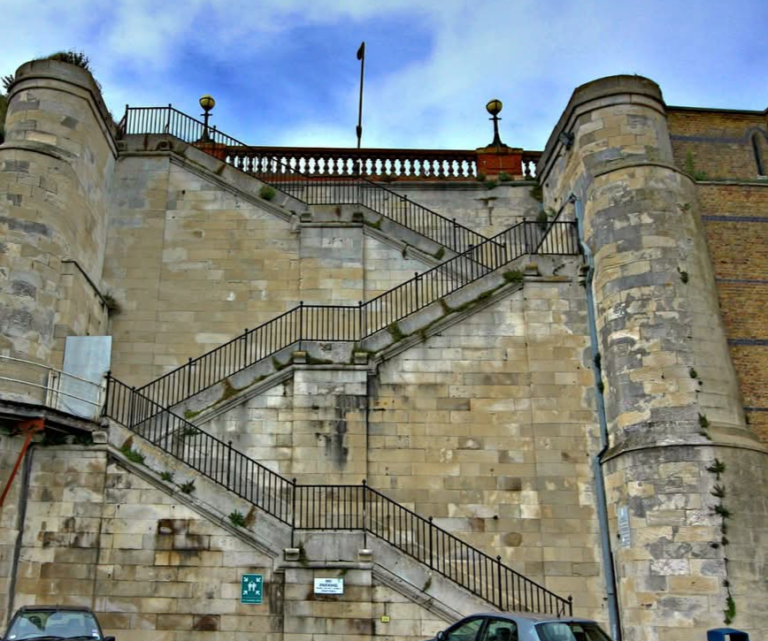
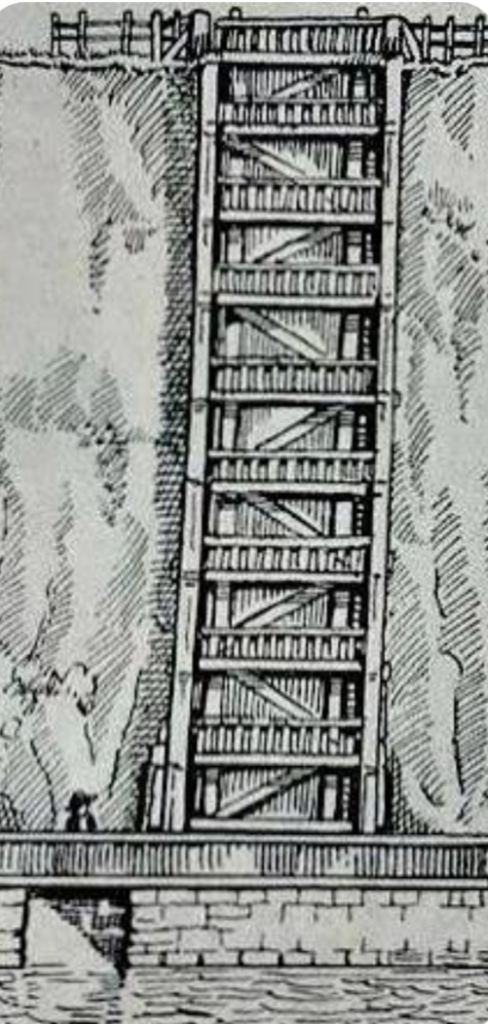
The stone staircase you see today dates from 1826, but an earlier wooden Jacob’s Ladder provided access to the harbour works as far back as 1754.
Nearby you’ll also discover the Gunpowder Magazine, built in 1828 to store up to 600 barrels of gunpowder.
Its thick double walls and lightweight roof were deliberately designed so that, in the event of an explosion, the force would travel upwards rather than out towards vessels in the harbour. Today it is a listed structure and, thankfully, its gunpowder-storing days are long behind it!
Watch the working harbour
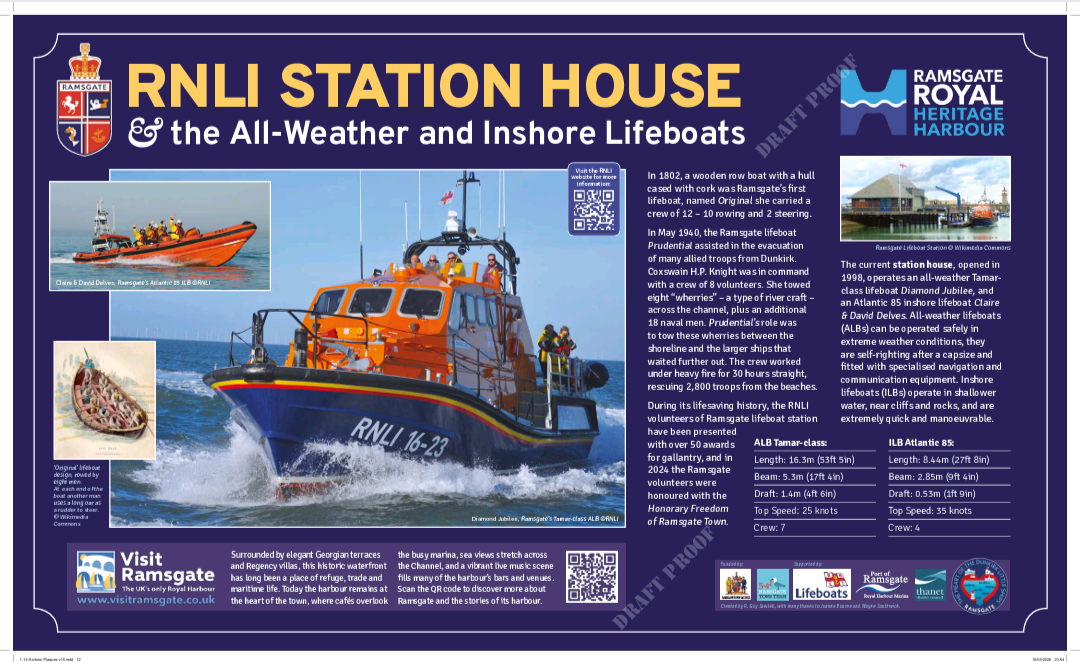
This isn’t simply a historic harbour – it remains a busy working one, with a small fishing fleet, a base serving two of the UK’s largest offshore wind farms and Ramsgate’s RNLI Lifeboat Station. Ramsgate’s lifesaving story actually predates the RNLI itself, as you’ll discover on the information board.
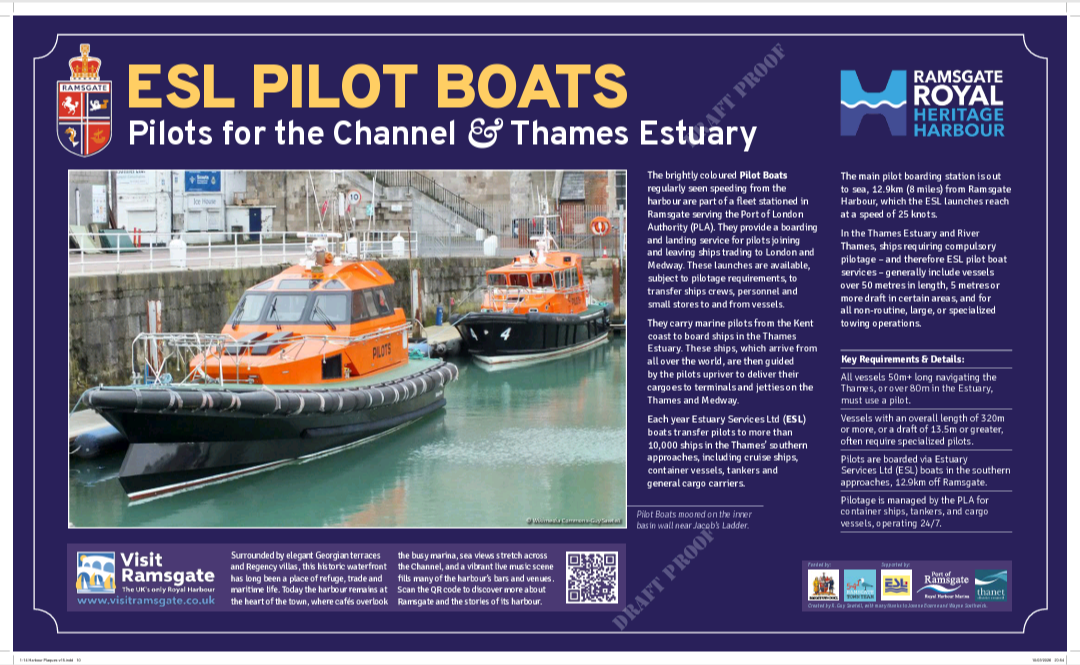
The Pilot Boats
Look out for Ramsgate’s distinctive pilot boats.
These fast launches head out into the Thames Estuary to transfer marine pilots onto and off ships travelling to and from the Thames and Medway.
The main pilot boarding station is eight miles out to sea from Ramsgate, and the launches can reach it at speeds of around 25 knots.
Head out towards the Lighthouse
Continue towards the West Pier and one of Ramsgate’s best-known landmarks.
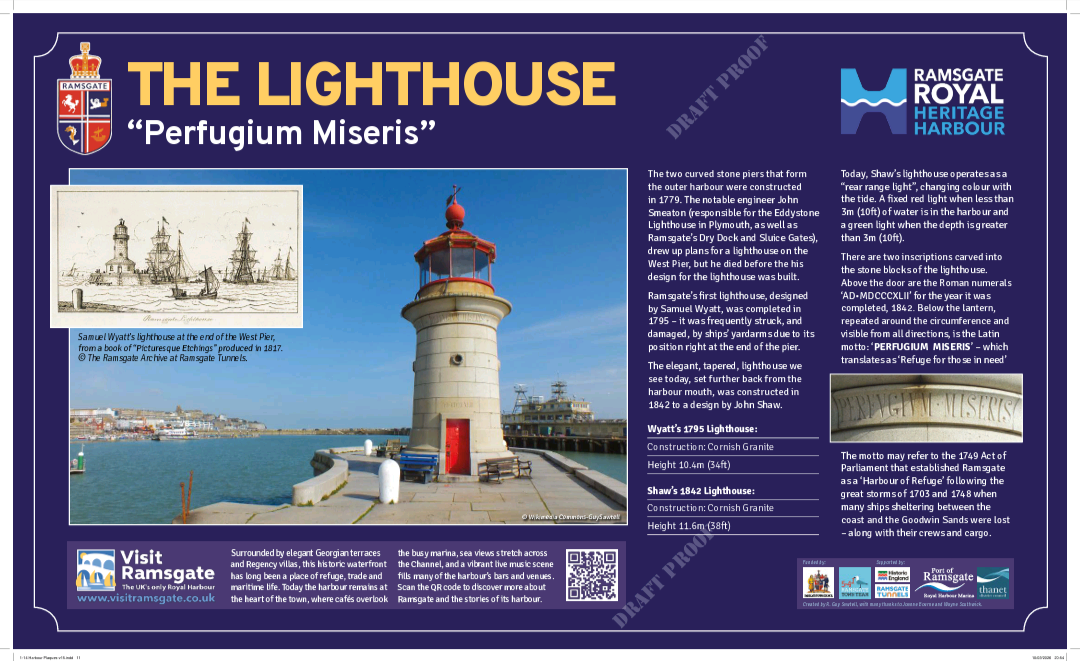
The Lighthouse – Perfugium Miseris
Ramsgate’s present lighthouse was built in 1842 to a design by John Shaw.
Look carefully and you’ll see the words:
PERFUGIUM MISERIS
The Latin motto translates as “Refuge for those in need” and reflects Ramsgate’s centuries-old role as a harbour of refuge.
It’s a fitting place to stop for a moment, look back across the Royal Harbour and imagine the countless vessels and people who have sought shelter here.
Ramsgate RNLI
Continue your exploration to discover the story of Ramsgate Lifeboat Station.
Ramsgate’s first lifeboat dates back to 1802, while during Operation Dynamo in 1940 the Ramsgate lifeboat Prudential and her volunteer crew worked under heavy fire for 30 hours, playing an extraordinary role in rescuing troops from the Dunkirk beaches.
Today’s crews continue that lifesaving tradition from the modern station house.
Ships with remarkable stories
As you complete your exploration of the harbour, look out for the remaining vessel boards.
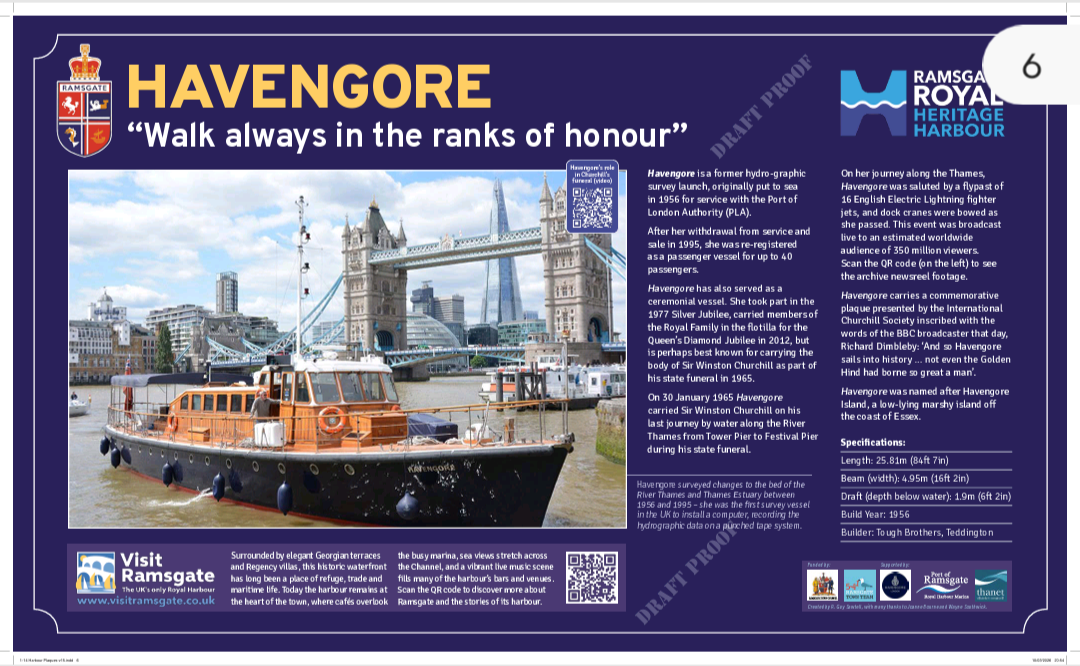
Havengore
Perhaps best known as the vessel that carried Sir Winston Churchill on his final journey along the River Thames during his state funeral in 1965, Havengore has also taken part in major royal celebrations.
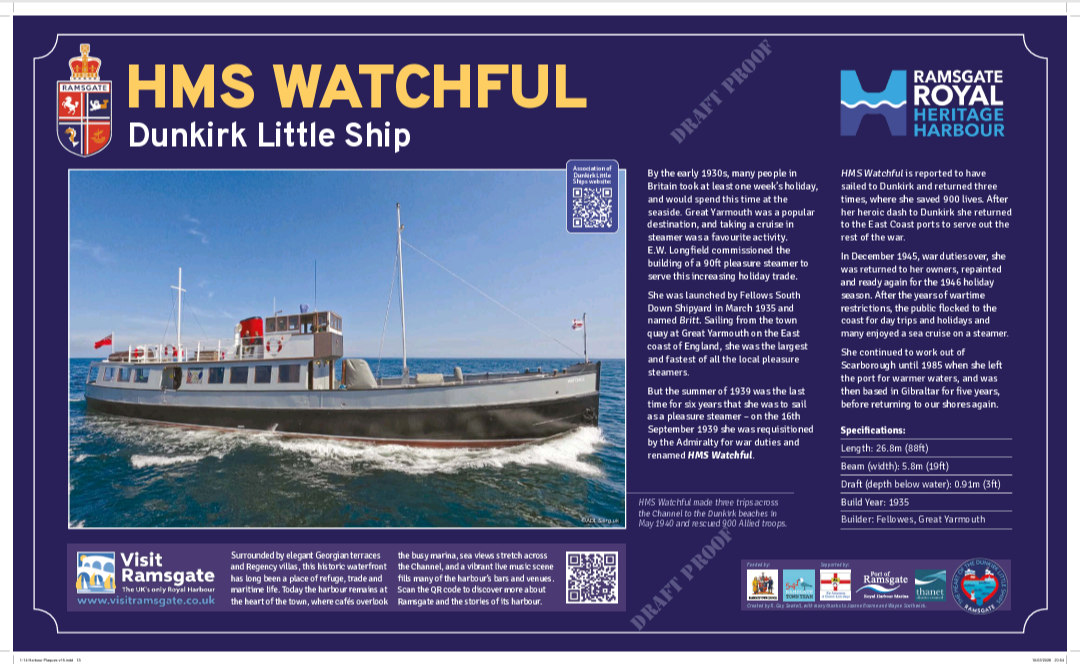
HMS Watchful
Originally built as a pleasure steamer in 1935, Watchful was requisitioned for wartime service in 1939. She is reported to have made three trips to Dunkirk during Operation Dynamo and rescued 900 Allied troops.
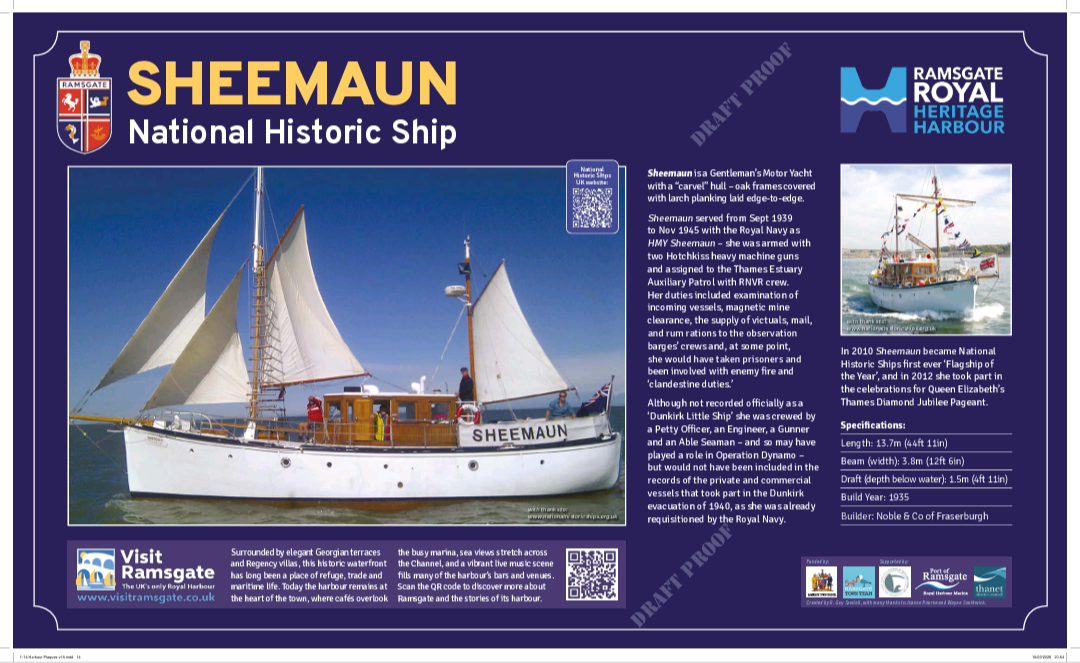
Sheemaun
Built in 1935, Sheemaun served with the Royal Navy throughout the Second World War on duties including examination of incoming vessels, mine clearance and supplying observation barges.
In 2010 she became National Historic Ships’ first ever Flagship of the Year.
How many will you discover?
There are 14 boards to find around Ramsgate Royal Harbour, each revealing another piece of the harbour’s extraordinary story.
You can follow the whole trail or simply discover them as you explore.
And don’t forget to look beyond the boards. Many of the buildings, structures and harbour features you’re reading about are still right there in front of you.
MAP
And there are more stories to come…
The Royal Harbour Heritage Trail is just the beginning.
We’ll be extending the trail with more fascinating stories from around the harbour, alongside new interpretation exploring the wildlife that makes its home in and around this unique maritime environment.
So keep an eye out for new boards on future visits – there will always be something else to discover around Ramsgate’s Royal Harbour.
Take your time. Look up. Look out to sea. And discover the stories that made Ramsgate’s Royal Harbour.
For more harbour history, click here to check out our Cinque Ports post (and discover why it’s pronounced ‘sink’ not ‘sank’!)